Lore
Exploding Wave
Technique used by many fighters
Exploding Wave is a technique used by many fighters.
The user manipulates their ki to create a massive explosion with a swift upwards motion of the hand, that has the potential to cause a massive crater in the desired area.
Usage
King Piccolo used this technique to destroy a large portion of Central City.
Kami, while possessing Hero's body, used the technique on Piccolo Jr. during the 23rd World Martial Arts Tournament. While performing the technique, Kami performed many hand motions which eventually ends with the index and middle fingers pointing upwards which sends Piccolo flying in the air.
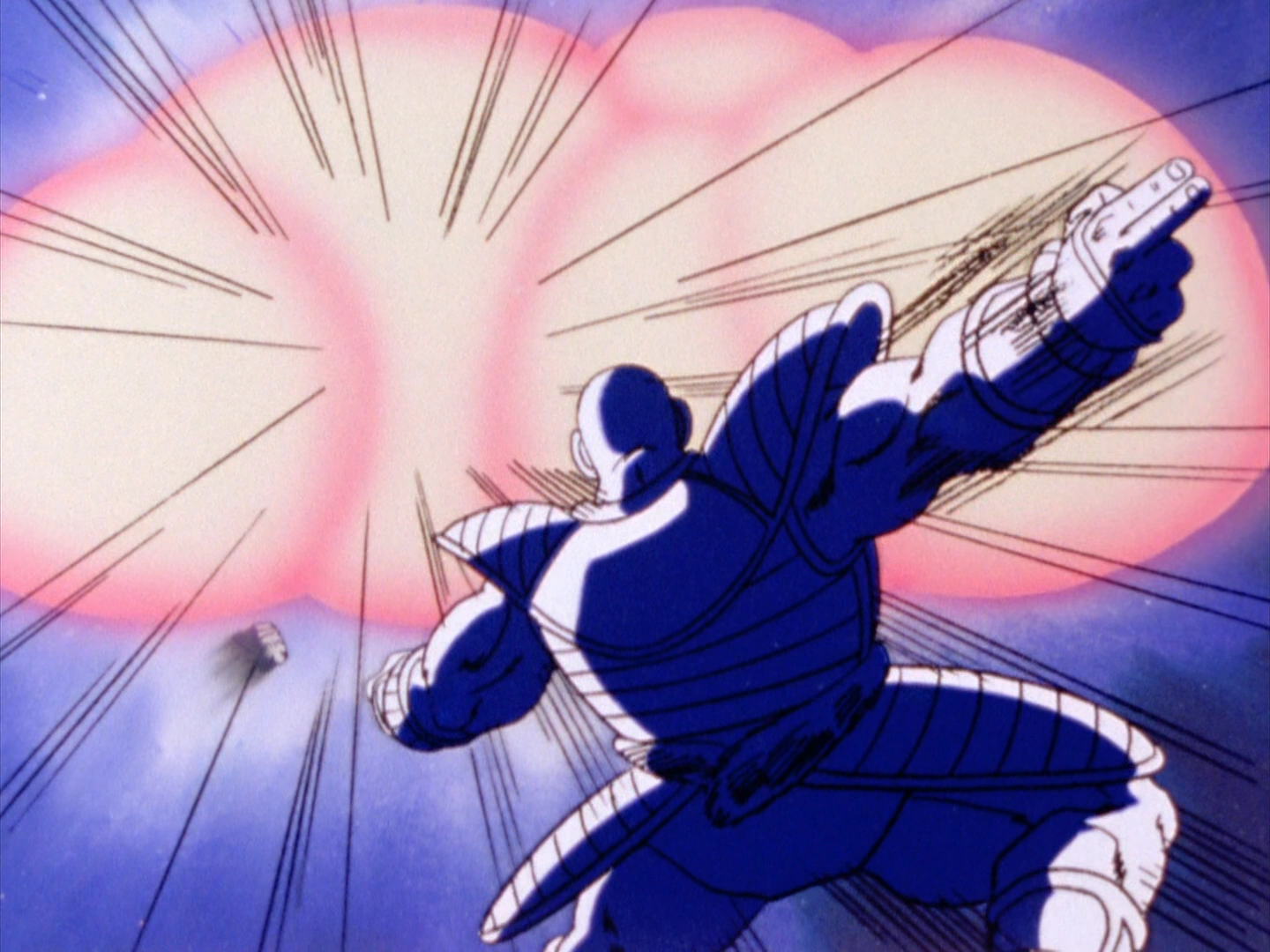
In the anime, Nappa used the attack to wipe out all of King Moai's guards. He used it again when he and Vegeta arrived on Earth, destroying East City completely. Later on, in the anime, Nappa attempted to use the move against Goku, but it was less effective as Goku was able to easily dodge it.
In the anime, Vegeta used the Exploding Wave during the battle against Dodoria.
In the anime, Vegeta used the Exploding Wave against Frieza's soldiers on an unnamed planet.
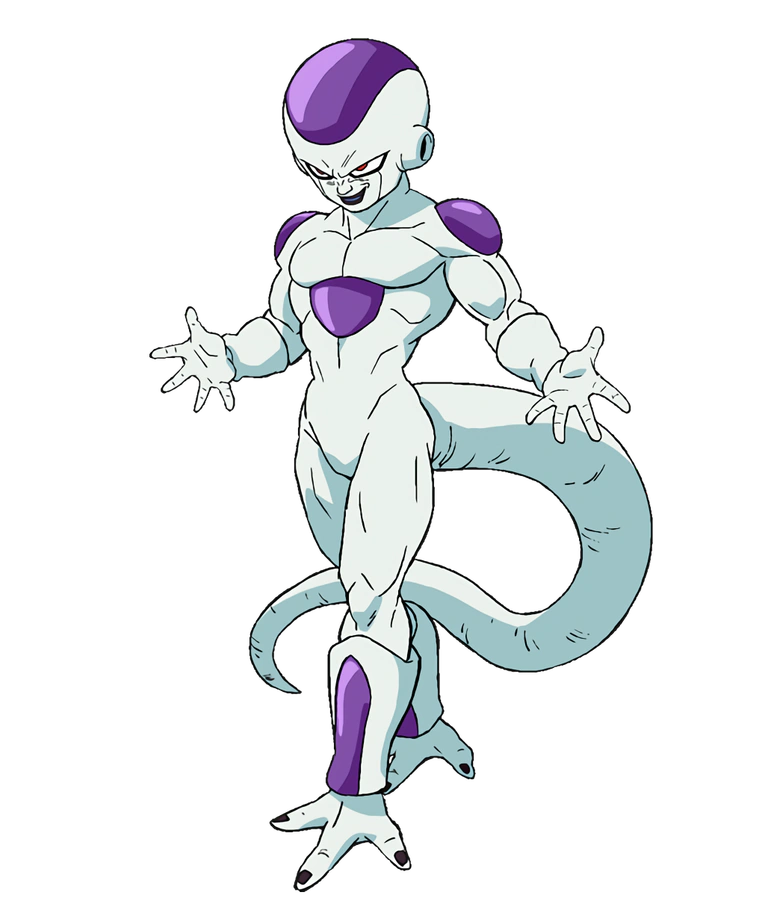
The technique is used by Frieza when he first enters his second form. Shortly after performing it, Frieza stated that the attack was nothing special, as even Saiyans could do it.
In Dragon Ball GT, after Nappa briefly returns from Hell, he uses it to obliterate an entire city once again.
Film Appearances
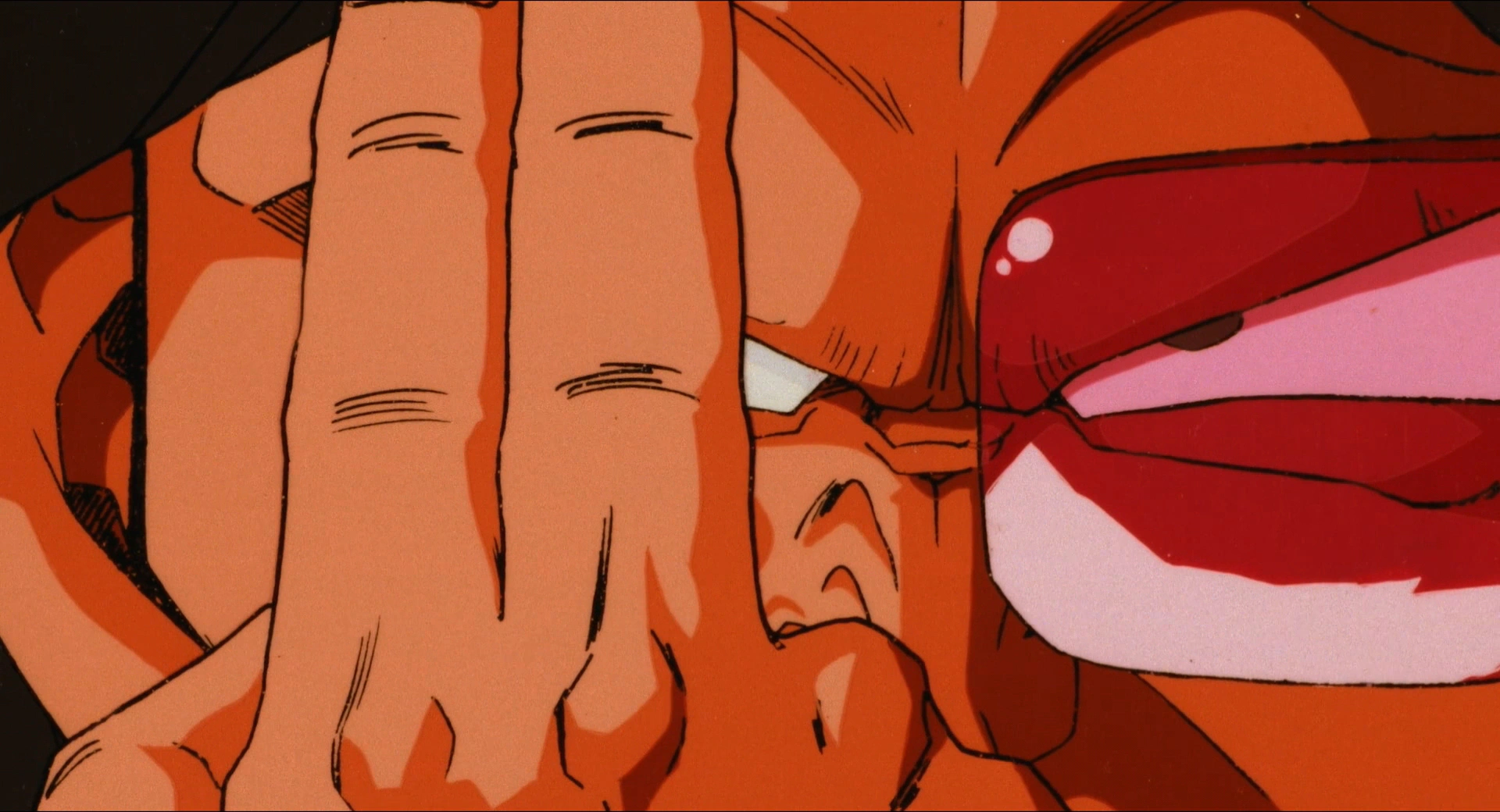
In Dragon Ball Z: The Tree of Might, Amond uses a variation called Planet Bomb to create a fissure in the ground so that the Tree of Might could be planted.
Variations
Volcano Explosion - A variation used by Nappa.
Blazing Storm - Another variation used by Nappa.
Death Storm - A variation used by Frieza.
Planet Bomb - A variation used by Amond.
Aftershock - A variation used by Naturon Shenron.
Gigantic Blaze - A variation used by Syn Shenron.
Angry Explosion - A variation used by Innocent Buu.
Psychic Whip - A variation used by Vegito in Dragon Ball GT: Final Bout.
Character meaning
• 爆 (Baku) = "Burst" / "bomb"
• 発 (Hatsu) = "Send" / "emit"
• 波 (Ha) = "Wave"
Sources
Adapted from the original article, under CC BY-SA 3.0.