Lore
Unforgivable!
Self Destruction technique used by Cell in his Semi-Perfect form
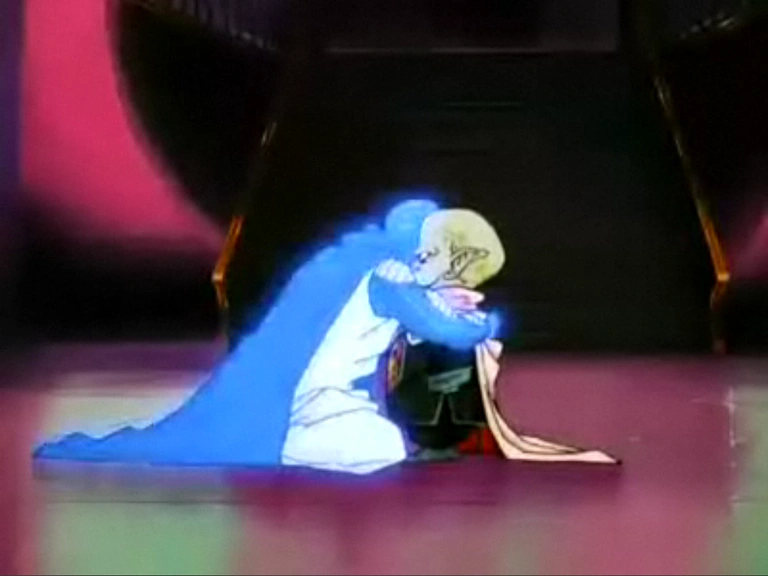
Unforgivable! is a Self Destruction technique used by Cell in his Semi-Perfect form.
When performed, Cell pumps himself up like a balloon and explodes after one minute. The resultant explosion is capable of destroying an entire planet. If Cell is attacked in any way before the countdown reaches zero, he will explode immediately. Once activated, according to Cell, he cannot reverse the technique.
Usage
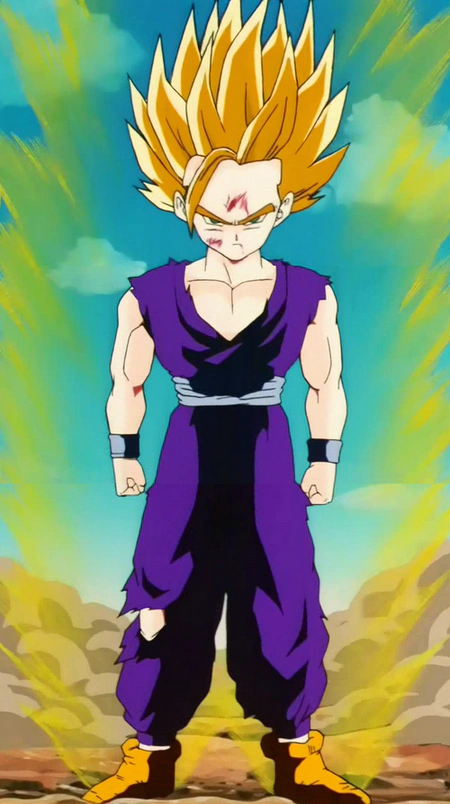
After losing Android 18 and reverting to his Semi-Perfect form, Cell uses Unforgivable! in an attempt to blow up the Earth to defeat Super Saiyan 2 Gohan during the Cell Games. However, Goku prevents him from doing so by taking Cell to King Kai's Planet via Instant Transmission as he decides to make the ultimate sacrifice in order to save the Earth, and Cell ends up destroying this planet instead, killing Goku, King Kai, Bubbles, Gregory, and the absorbed Android 17. A small part of Cell survives the explosion, and he regenerates and becomes even stronger than before, achieving the Super Saiyan 2 form, referred to as his Super Perfect form.

Film Appearances
In Dragon Ball Z: Bojack Unbound, it is revealed that Cell's usage of this attack, in particular its destruction of King Kai's planet, was indirectly responsible for Bojack and his Galaxy Soldiers' release from their star prison.
In Dragon Ball Z: Battle of Gods, Unforgivable Cell appears in the prologue that recaps his battle with the Z Fighters.
In Dragon Ball Super: Broly, Unforgivable Cell makes a cameo appearance.
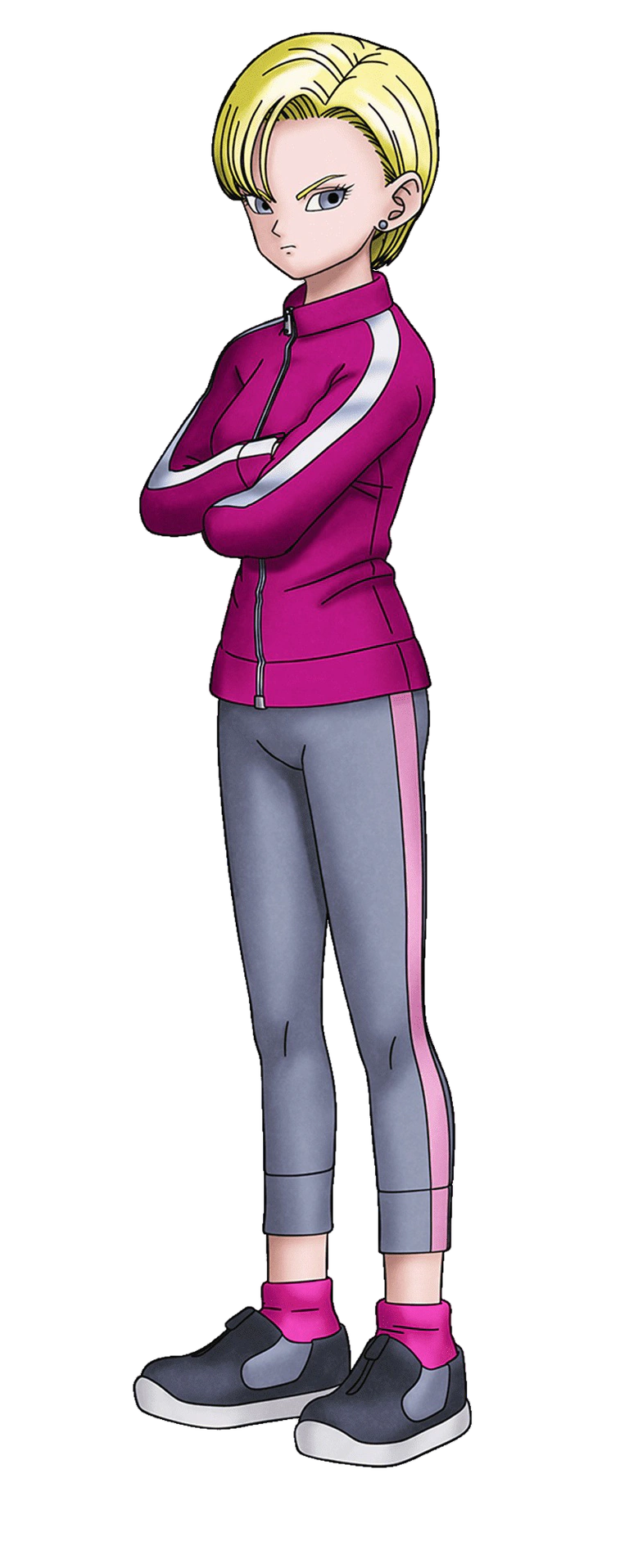
In Dragon Ball Super: Super Hero, owing to Cell Max being derived from Cell's template, he was also capable of using the ability, as demonstrated by his final moments and mentioned by Gamma 2 to be his failsafe installed by Dr. Hedo. The ability was significantly toned down compared to his template, however, as he only managed to destroy a large area, whereas Cell's usage as noted above was capable of destroying the entire planet.
Sources
Adapted from the original article, under CC BY-SA 3.0.